About OPPMP and postpartum health
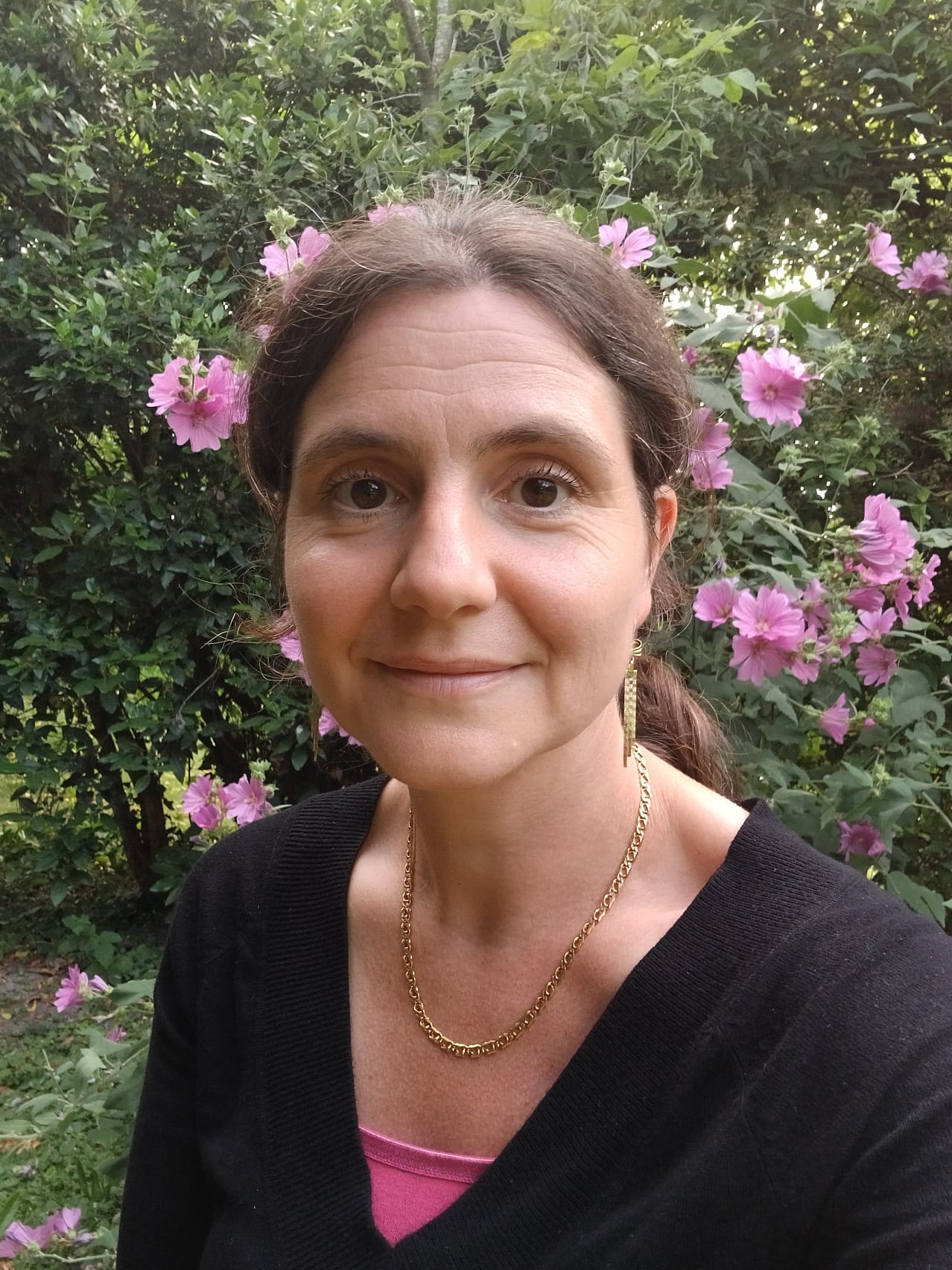
Dr Catherine Quarini
Catherine qualified as a doctor from Oxford University in 2007. She worked in hospital medicine and general practice, before specialising in public health and psychiatry. Her interest in health policy and the evidence behind medical research grew, and she spent several years working as Senior Editor for the Lancet Psychiatry medical journal. She also completed the Graduate Diploma in Law, and then took up the position of Medicolegal Director at an international law firm where she leads research into women’s health issues. Alongside her legal role, she founded OPPMP in 2026.
Her work at The Lancet involved assessing medical research across a variety of subjects, and she realised that there was a gap in both the understanding of postpartum health problems, and the services available to treat them. Subsequently, working in this area of medical law showed her that postpartum health issues are often over-looked or misdiagnosed, sometimes leaving women with years of unnecessary pain or interventions.
Since having her own children, she has had numerous discussions with women suffering from medical problems resulting from pregnancy or giving birth who have had unsatisfactory interactions with healthcare systems. Many women have been left feeling that they have not been listened to or that their symptoms were not understood. Most felt that the reasons for this were partly because medical appointments are generally too brief to discuss complex postpartum health conditions, and partly due to a lack of specialised clinics in this area. Catherine set up Oxford Postpartum Medical Practice to address this unmet need.
Oxford Postpartum Medical Practice
Oxford Postpartum Medical Practice was founded to try to fill some of this gap in healthcare provision for women with postpartum medical problems.
One of the main features of OPPMP is that sufficient time is dedicated to understanding what are often complex and interconnected symptoms. This involves taking a detailed medical history from the client, including how their pregnancy and birth impacted them emotionally and physically, as well as an assessment of their current health. This is followed by an in-depth discussion with the client about possible options for managing or addressing their health problems, which will be based on their preferences and concerns, and on up-to-date medical research.
Oxford Postpartum Medical Practice aims to offer holistic care, by considering the complex interactions of different medical conditions, the effects of any treatments already tried, and the client’s preferred approaches to future treatment. Each consultation is therefore highly personalised to focus on the client’s unique combination of symptoms.

Please view OPPMP’s terms and conditions here. For more information on use of your data please see the privacy policy here